
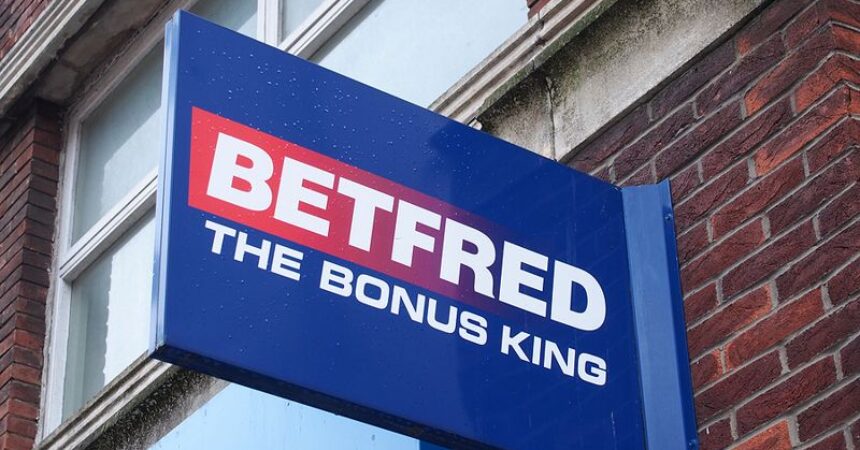
As of September 2026, Betfred, one of northern England’s most loved high-street bookmakers has announced that it will close 132 shops with more than 600 staff at risk of redundancy.
Representing just over 10 percent of Betfred’s retail footprint, this move will leave the company with approximately 1,100 shops around the country, which is down from 1,650 only a few years ago.
Fred Done’s Betfred has announced it will close 132 shops across the UK, around 10% of its total shops with 600 jobs being lost in the process. https://t.co/qAdSa4wnxk
— About Manchester (@AboutMcr) July 31, 2026
It is a move that is nothing new in the retail arm of the gambling industry, with PaddyPower having recently shuttered 57 premises and Evoke/William Hill set to downsize as they combat rising costs.
Primary Economic Drivers Dictating Downsize
Without a doubt, the recent industry taxation hike has been a considerable contributor to this, having witnessed a significant increase following news of this last year, from 21 percent to 40 percent for remote gaming duty levies, with remote sports betting hikes set to hit 25 percent.
It has also been made untenable by other variables that include rising energy costs, increased employer National Insurance contributions and minimum wage inflation
In addition to this, in-shop footfall and customer spend has been significantly impacted by tighter affordability checks and customer verification regulations, further adding to the economic uncertainty.
High Streets Likely To Suffer From Impact
 With over 600 retail jobs likely to be affected, this move further disproportionately affects customer service staff on the front lines in town centres, while also increasing the decay of the traditional high street; especially in the more deprived regions of the country as premises become vacant and in the long term, possibly even derelict.
A possible light at the end of the tunnel for staff is that some bookmakers are looking into re-deploying staff and re-evaluating site usage including a possible pivot towards Adult Gaming Centres (AGCs).
Over the last decade or so, the traditional ‘high street bookie’ has suffered from a number of factors that have more often than not been brought about by tougher industry regulation, in addition to the rising cost of living and rates. Most have been able to ride the wave, thanks to having a burgeoning digital arm; for Betfred, this could be a vital component moving forward.
Significant Industry And Wider Implications
This move from Betfred and even other bookmakers could well result in a number of knock-on effects, with suppliers and landlords likely to feel the pinch, while closing betting shops will severely reduce venue-based media rights revenue as well as statutory gambling levy contributions, which costs horse racing approximately £4 million annually.
The most obvious workaround is switching heavily towards a firm’s digital arm and restrategising going forward, where overheads are lower. While Betfred does have a respectable online business, it is someway behind those with a sole internet-based focus, such as Betway.
For smaller retail bookmakers whose online arm is non-existent, we may well see these disappear completely or be the subject of hostile takeovers as the industry giants sweep up premises at a heavily discounted price.
Ultimately for Betfred, they have seemingly moved strategically, anticipating the direction that the market will likely go and it will be interesting to see what happens next.