
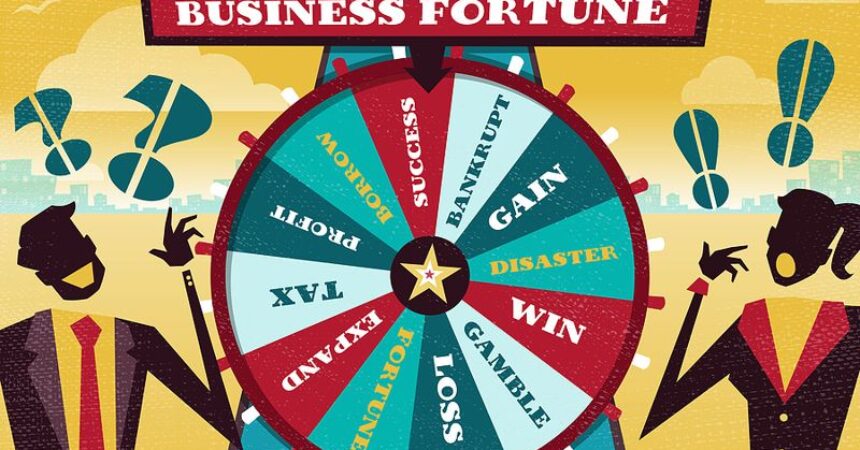
After Sir Keir Starmer announced his resignation as Prime Minister, the UK is bracing itself for what might come next.
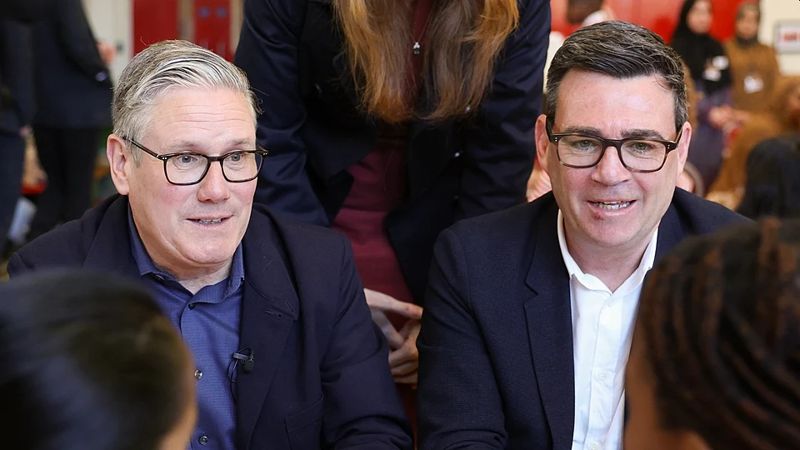
The bookies are heavily backing newly-sworn-in Labour Party MP, Andy Burnham to replace him, though it does remain to be seen whether he will be challenged for the Premiership.
What will be interesting is to see how much the UK gambling landscape will change, with changes to taxation only having just been implemented in April, which included a 40 percent levy implementation for UK-licensed online gambling companies.
However, it is believed that Starmer’s departure could inject immediate regulatory uncertainty, especially with the industry considerably lobbying against the changes to taxation with senior figures having issued warnings that hikes significantly alter the underlying economics of iGaming.
A change in leadership means that these conversations remain halted for now, though it does possibly open a door for future discussions to reshape the industry’s relationship with Downing Street.
What Are Burnham’s Views On Gambling?
.jpg)
Heavily driven by his background in regional governance, Burnham has previously spoken out about the dangers of gambling while in his role as Mayor of Greater Manchester. He has explicitly called Adult Gaming Centres (AGCs) and high street slot machine establishments “high-stakes gambling venues targeting some of the most vulnerable in our communities.”
Despite this though, Burnham has also positioned himself as a champion for the high street and small businesses, as such heavily criticising Starmer’s government for “getting it all wrong on small businesses”, ultimately making proposals for business rate cuts on pubs, clubs and music venues.
Could There Be A Tax Deduction On Gambling?
 In the immediate future at least, this is highly unlikely. Due to Burnham needing to move delicately to ease an unstable gilt market, he has heavily committed to Labour’s strict fiscal rules, which means that he cannot so easily deviate from a decision to forfeit the estimated £1.1 billion per year that the 2026/27 gambling tax hikes are likely to raise.
Also, because of Burnham’s staunch views about the dangers of online slots, rolling back the 40 percent tax rate is unlikely to happen, with this put in place to disincentivise operators from pushing customers towards digital products that can cause significant harm.
One area of hope for the industry though and, in line with Burnham’s views about the high street, is that we may see a tweak to betting shop rates and a suspension of the 2027 25 percent remote betting tax hike if industry data proves that this is causing cannibalisation of high-street bookmakers or horse racing funding.
How Burnham Might Be Convinced To Change Regulation
With the expected new Prime Minister seemingly banking on the fact that the tax hike will hit his estimates in terms of figures, there is certainly a possibility that it won’t.
Gambling firms could make it very difficult for him and pull out of the UK market yet, which could well mean taxation falls considerably short of the target he has in mind. As such, a reversal of the decision to raise gambling taxes (or at least a compromise) might be a future card to play.