
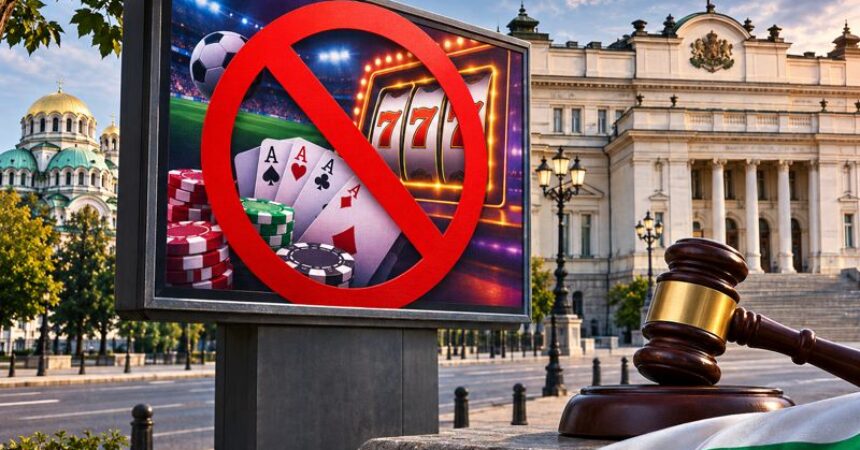
Bulgaria wants gambling out of sight as quickly as possible. On the 11th of November, the country’s cabinet approved a bill and sent it to parliament on the same day, which would ban advertising for gambling games, the companies behind them and their trademarks, whatever form it takes and wherever it appears. That covers television, radio, newspapers, websites and billboards.
In the July of 2026, a blanket ban and higher taxes were turned down, with Deputy Finance Minister Lyudmila Petkova warning at the time that doing so would allow the black market to grow. By the September, Prime Minister Rumen Radev had changed tack, saying to ministers, “We don’t want gambling to be present in the everyday life of Bulgarian citizens.”
Affiliates First in Line
It was decided that affiliate sites would be hit the hardest and the soonest. They were brought under a licensing regime run by the National Revenue Agency only weeks ago and under the bill those affiliate licences are to end on the first of January 2027. If you run one of those businesses, that is a very short amount of time to get your affairs in order.
Sponsorship of sports clubs, federations and events in culture, healthcare and education by betting companies is still allowed, although broadcasters couldn’t add extra digital sponsor graphics beyond the branding that appears physically at the venues. Shopfronts are to be given a strict allowance too, with branding capped at 20% of a façade or 50 square metres, whilst at least 10% of that space must be given over to an addiction warning. Draws run by the state’s Bulgarian Sports Totalizator are exempt.
The Bill for Online Operators
Online betting firms will pay a variable state fee of 21% of stakes minus winnings from 2027, rising to 22% in 2028, with a floor of €100,000 a month. Foreign operators would need a permanent base in Bulgaria to operate, whilst gaming systems will link electronically to the National Revenue Agency so officials can see bets, payouts and revenue. Money raised for responsible gambling will be shared equally between the ministries of sport, health and education. Existing sites have until the 30th of June next year to comply.
None of this is law yet, though. Parliament’s Budget and Finance Committee leads the scrutiny and no vote date has been set at the time of writing. The black market worry that sank the summer plan hasn’t gone away, so whether it carries the same weight a second time around is now up to MPs.